Free delivery on orders over £35
|
Beautiful Nails, Beautiful Savings
|
Fresh nail designs every week!
|
|
Free delivery on orders over £35
|
Beautiful Nails, Beautiful Savings
|
Fresh nail designs every week!
|
|
Choose what you are happy for us to use. Essential cookies keep the shop working, so they stay on.
Needed to run the shop: your basket, secure checkout, your login, fraud prevention and remembering this cookie choice. These cannot be switched off.
Remembers how you like the site to look and behave — recently viewed shades, your wishlist and display settings. Nothing here is based on your interests or used for advertising.
On by default for this purpose. Switch it off and we will stop.
Helps us count visits and see which pages and products people struggle with, so we can improve the shop. We use Google Analytics for this.
Lets us show you our ads on Google, Meta and other sites, and measure whether those ads led to an order. This involves sharing data with those companies.
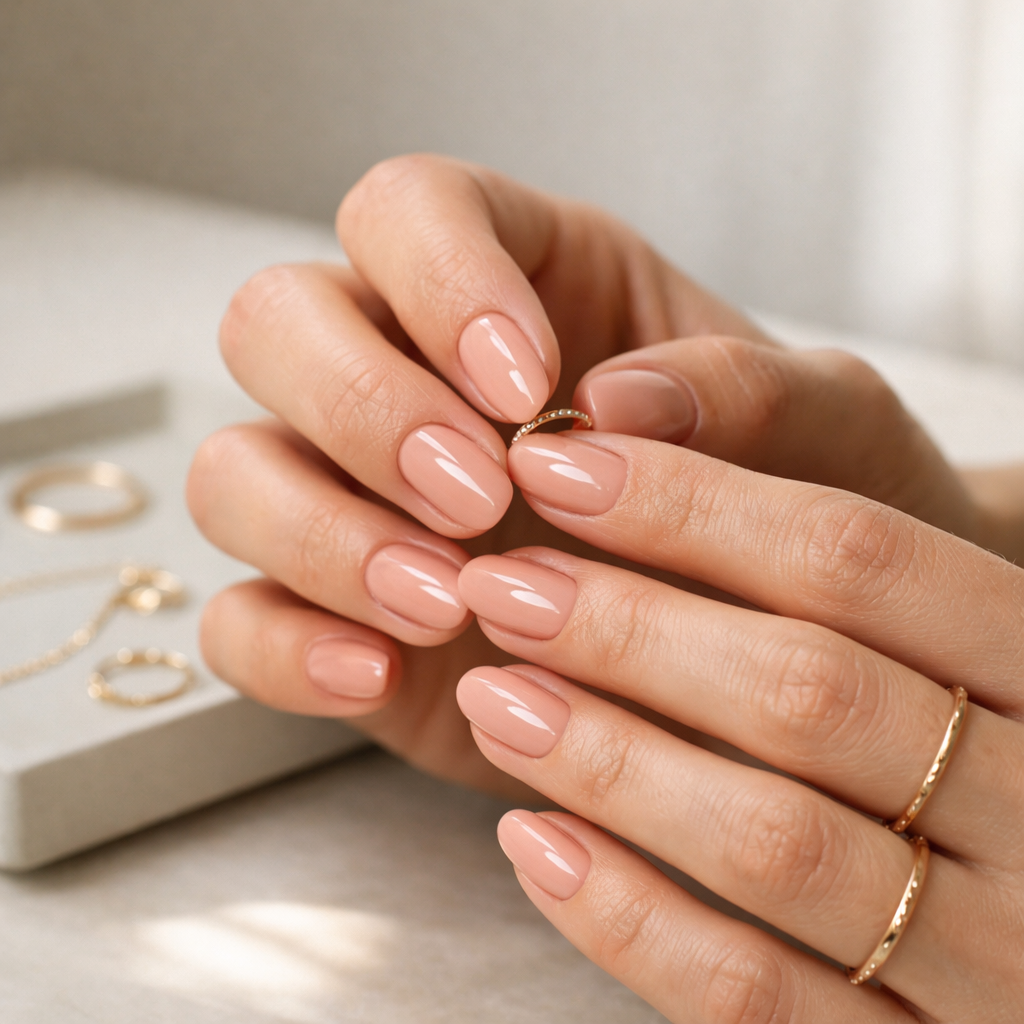
Are gel nail strips safe for your natural nails? For most people, yes—when you apply them on clean, dry nails, cure correctly, and remove gently. In our experience testing semi-cured gel across hundreds of nail shapes and sizes, the biggest risk isn’t the strip itself; it’s rushed prep, over-curing, or peeling them off like a sticker.
If you’re new, start with a kit that includes the essentials and a proper cure. Our Velvora Gel Nail Strips Starter Kit is designed for beginner-friendly, salon-style results at home. When you’re ready to pick a set, shop now.
Yes—gel nail strips are safe for natural nails for most users, as long as you apply them to healthy nails, cure them under an LED lamp for the correct time, and remove them with oil and patience (not peeling). Semi-cured gel is different from acrylics and hard gels because it’s thin, flexible, and doesn’t require aggressive filing of the natural nail.
One thing we hear from customers time and again is that their nails feel better with strips than with constant polish changes—mainly because strips reduce repeated exposure to strong solvents and minimise daily chipping and picking.
Gel nail strips are thin layers of gel that are partially cured, then fully hardened under an LED lamp once on your nail. That “semi-cured” part is the magic: they’re firm enough to handle, but still flexible enough to mould to your nail before final curing.
Semi-cured gel strips arrive as a pre-formed layer, so you’re not painting liquid gel near your skin. Gel polish is a liquid resin that you brush on, which increases the chance of product touching the cuticles and sidewalls if you’re not careful.
From a nail-safety perspective, that matters because gel allergies are often linked to uncured gel contacting skin. A well-fitting strip helps you keep product on the nail plate, not around it.
Velvora gel nail strips are HEMA-Free and 14-Free, which means we avoid a list of common ingredients many people prefer to steer clear of. While no nail product is “zero risk” for every person, choosing gentler formulations and applying carefully is a sensible way to reduce irritation risk—especially if you’re sensitive.
We also keep things transparent: our products are fully UK/EU compliant, CPNP registered and REACH certified, and produced in certified facilities (including ISO9001, FDA, SGS and BSCI) using Japanese blade technology for clean, precise edges. If you want to read the detail, see our product safety & ingredients information.
Most “gel nail strip damage” is mechanical damage—from force, picking, or over-buffing—not from the strips sitting on the nail. Here are the common slip-ups we see (and how to avoid them).
If you lift and pull without softening the adhesive, you can remove the top layers of your nail plate (that papery, flaky feeling). Always soften first and lift slowly.
For semi-cured gel strips, you don’t need to “rough up” your nails like a salon acrylic service. A light cleanse and dehydration is enough. If your nails are already thin, skip buffing entirely.
Over-curing can make the gel extra rigid, which may increase the chance of edge lifting and snagging (then you pick at it). Follow your lamp guidance and cure in shorter bursts if needed.
Strips should sit on the nail plate only. Leaving a tiny hairline gap around the cuticle is safer and looks cleaner as your nails grow.
Even gentle removal is still removal. If you’re changing weekly, prioritise hydration so your nails stay flexible. Our community of Velvora fans often shares that a cuticle oil habit is what makes the difference long-term.
The safest gel nail strip routine is clean prep, correct sizing, proper curing, and kind removal. If you’re aiming for a smooth finish in about 10 minutes, this is the process we recommend.
If you want the full walkthrough, follow our step-by-step guide to apply gel strips (it includes curing tips, shaping, and preventing lifting).
Fully curing matters because uncured gel is more likely to cause sensitivity. Cure each hand evenly, keep your fingers flat, and make sure your thumbs get direct light.
We’ve noticed beginners often under-cure thumbs because they sit at an angle. Straighten them and do a quick extra cure if your lamp recommends it. For more detail on timings and technique, read our UV/LED lamp guide.
If you type a lot, do housework, or your nails bend easily, a slightly more forgiving finish can feel better day-to-day. Browsing a category can help you pick quickly: our gel nail strips collection includes everything from solid colours to more statement designs.
Ready to try your first set? Browse the full collection and shop now.
The safest way to remove gel nail strips is to soften the adhesive with oil and lift slowly, keeping the strip low and flat against the nail as it releases. If you feel sharp tugging, stop and add more oil.
For a guided method with troubleshooting (including what to do if a corner won’t budge), use our guide to remove gel nail strips safely.
Hydration is what keeps nails flexible and less prone to peeling. If you want something easy to keep in your bag, our Vanilla Cuticle Oil Pen is a simple daily step that many customers swear by—especially after removal or a lot of hand washing.
For many at-home users, gel nail strips can be a safer, lower-maintenance option than acrylics or traditional gel polish because they’re thin, don’t require heavy filing, and can reduce skin contact with liquid gel. That said, safe use still matters.
| Option | What can stress natural nails | How to keep it safer |
|---|---|---|
| Semi-cured gel nail strips | Peeling off dry; incorrect cure; sizing onto skin | Oil-assisted removal; correct LED cure; leave a tiny cuticle gap |
| Gel polish | Skin contact with uncured gel; repeated acetone soaking; aggressive filing | Thin coats; avoid cuticles; gentle removal; don’t over-file |
| Acrylics / hard gel | Strong prep/filing; infills; potential thinning over time | Experienced tech; careful removal; breaks between sets |
If you want the deeper dive, our blog post on semi-cured gel nail strip safety covers ingredients, curing, and common myths in more detail.
If you’ve had a gel allergy before, have very damaged nails, or have inflamed skin around the nails, be cautious and consider speaking to a pharmacist, GP, or dermatologist. Safety also means listening to your body.
For broader nail health guidance, the NHS has practical advice on looking after your nails, including when changes might need medical attention: NHS information on brittle nails and nail care.
Velvora is built for safer at-home gel manicures: our semi-cured gel nail strips are 100% vegan, cruelty-free, pregnancy safe, HEMA-Free, 14-Free, and fully UK/EU compliant (CPNP registered and REACH certified). Digitaliced Ltd operates Velvora in the UK, with UK-based shipping and support.
We don’t promise unrealistic wear for everyone, because real nails and real life vary. Most customers get up to 2 weeks with good prep and a proper cure, and we’re always honest that removal technique is what protects your natural nails long-term.
You’ll also find practical perks that make it easier to stay consistent: each set includes 20 strips in multiple sizes to suit different nail shapes, gel strips start from £10 per set, and there’s free UK delivery on orders over £35. If something’s not right, we offer a 30-day satisfaction policy to help you shop with confidence.
If you want the full range of finishes, including everyday neutrals and statement sets, explore our solid colour gel nail strips and our ultra-fun glitter gel nail strips.
They can be, but you need a gentle routine: skip heavy buffing, cure properly, and remove with oil (never peel). If your nails are actively splitting or sore, take a short break and focus on hydration first.
Used correctly, they shouldn’t damage natural nails. Most damage comes from peeling them off dry or over-buffing during prep. Gentle, oil-assisted removal is the key step.
HEMA-free options can be a better choice for people who are cautious about sensitivity, but proper curing and keeping product off the skin still matter. If you’ve had a confirmed gel allergy, speak to a professional before using any gel product.
It’s possible to react to ingredients in nail products, especially if gel touches the skin or is under-cured. Apply strips so they don’t overlap onto skin, and cure fully with an LED lamp following guidance.
Yes. Semi-cured gel needs LED curing to fully harden, which improves wear and helps ensure the gel is properly set. Use a lamp designed for nail curing and cure each nail evenly, including thumbs.
Many people wear them back-to-back, but listen to your nails. If you notice peeling or dryness, take a few days off and use cuticle oil daily. The safer your removal, the more consistently you can wear them.
If you’re ready for your next set, find your perfect shade and shop now. For regular wearers, a subscription can be a simple way to stay stocked without last-minute panic before plans.
External references: For cruelty-free standards and what certification means, see Leaping Bunny’s cruelty-free programme.

No account yet?
Create an Account